
Skin & Body Blog
Revive and Replenish Your Skin After Summer with the HydraPro Facial
Summer is wonderful for the soul, but not always for the skin. Sun exposure, heat, and environmental stress can leave your complexion dry, congested, and lacking its usual glow. The HydraPro Facial is designed to change that — a next-level facial treatment that deeply hydrates, firms, and renews tired skin.
Building upon HydraFacial, HydraPro integrates additional advanced technologies such as bio-microcurrent, radio-frequency, ultrasound infusion, and LED light therapy, offering a more comprehensive approach to total skin rejuvenation.
A Smarter Way to Restore Skin Health
HydraPro is a multi-technology treatment designed to improve skin function on different levels. Each step works in synergy to cleanse, nourish, and stimulate, leaving your skin visibly smoother, firmer, and more radiant.
Here’s what sets it apart:
Deep Hydradermabrasion
A gentle exfoliation process removes impurities and dead skin buildup while infusing the skin with antioxidants, peptides, and hydrating serums.
Bio-Microcurrent Technology
Subtle electrical impulses stimulate facial muscles, improving tone and circulation for a more lifted, sculpted appearance.
Radio-Frequency Collagen Activation
Controlled heat energy triggers the skin’s natural collagen and elastin response, helping to reduce fine lines and restore elasticity.
LED Light Therapy
Targeted wavelengths address inflammation, acne, or dullness — supporting collagen regeneration and improving skin clarity.
Ultrasound Serum Infusion
Ultrasonic energy enhances the delivery of active ingredients, ensuring deeper hydration and nourishment where your skin needs it most.
Your Skin’s Post-Summer Recovery Plan
Even with diligent SPF use, prolonged sun exposure and heat can deplete moisture and damage collagen. HydraPro helps to:
Rebuild hydration and resilience
Smooth and refine skin texture
Support collagen and elastin production
Restore a radiant, even-toned complexion
Minimize post-summer dullness and dehydration
It’s the perfect seasonal reset to bring balance and vitality back to your skin.
Customised to Your Skin Needs
Every HydraPro Facial begins with a professional skin assessment, allowing your clinician to tailor the treatment to your skin’s unique condition and goals. Whether you want to target dehydration, uneven tone, early signs of aging, or sensitivity — HydraPro can be adjusted for optimal results.
The Results Speak for Themselves
Most patients notice their skin feels immediately refreshed, smoother, and plumper very soon. With regular treatments, HydraPro promotes long-term improvements in elasticity, firmness, and luminosity — all while maintaining the skin’s natural balance and comfort. It’s an advanced, non-invasive treatment that feels as good as it looks.
Book your HydraPro Facial consultation today and discover how radiant, firmer and hydrated your skin can feel again by writing to expertskinhealth@gmail.com
Electrolysis Hair Removal Can For People with PCOS and Other Medical
Conditions
For many people, unwanted hair is a cosmetic concern. But for individuals living with medical conditions like Polycystic Ovary Syndrome (PCOS), excessive hair growth—known as hirsutism—can go beyond aesthetics. It can affect self-esteem, emotional well-being, and daily life. One of the most effective long-term solutions to manage this issue is electrolysis, a permanent hair removal method approved by the FDA. In this post, we'll explore how electrolysis works, why it can be especially beneficial for those with PCOS, and how it compares to other hair removal options.
Polycystic ovary syndrome (PCOS)
PCOS is a hormonal condition affecting as many as 1 in 10 women of
reproductive age.
One of its hallmark symptoms is excess androgen (male hormone) production, which can lead to:
● Irregular menstrual cycles
● Ovarian cysts
● Acne
● Weight gain
● Hirsutism (excess hair growth on the face, chest, abdomen, or back)
This hair growth is not only persistent but often coarse and dark, making it more noticeable and more difficult to manage with shaving or waxing.
Electrolysis
Electrolysis is the only FDA-approved permanent hair removal method. It works by inserting a tiny probe into the hair follicle and delivering a low-level electrical current that destroys the follicle’s ability to produce hair.
Unlike laser hair removal, which targets pigment and works best on light skin with dark hair, electrolysis works on all skin tones and all hair types—making it ideal for the diverse range of hair patterns seen in people with PCOS.
Because PCOS is a chronic condition, temporary solutions can be exhausting
and expensive over time. Electrolysis offers permanent results. This can be life-changing for people dealing with daily or weekly hair removal routines.
Hormonal hair can be stubborn and resistant to other removal methods.
Electrolysis treats each hair follicle individually, which allows it to be more
effective in targeting hormonally-driven growth. Electrolysis doesn’t rely on pigment, so it’s safe and effective for all skin tones
and hair colors—including blond, red or white hair.
Self-care
Gaining control over facial or body hair can significantly
improve self-confidence and overall quality of life.
While PCOS is one of the most common conditions associated with excess hair
growth, electrolysis may also benefit people with:
● Congenital adrenal hyperplasia (CAH)
● Cushing’s syndrome
● Hirsutism unrelated to hormone disorders
● Postmenopausal hormonal changes
● Gender-affirming hormone therapy
Electrolysis isn’t just about beauty—it’s about restoring a sense of control and
confidence to people living with medical conditions like PCOS.
Checking Your Skin Matters — and How Electrolysis Can Safely Treat Benign Lesions
Our skin constantly evolves — new freckles, moles, or small raised spots can appear over time.
Most are harmless, but being attentive to these changes and seeking professional advice when something looks different is key to maintaining healthy skin and peace of mind.
The Importance of Regular Skin Checks
Regular self-examination helps you become familiar with your skin’s normal appearance, making it easier to spot new or changing growths. While most are benign, certain changes can signal early signs of skin cancer or other conditions.
During your monthly check, look for:
● New growths or spots that appear suddenly
● Moles changing in size, colour, or shape
● Lesions that itch, bleed, or don’t heal
● Patches that look darker or irregular compared to surrounding skin
If you notice any of these, have them professionally assessed before considering removal. Early evaluation ensures both safety and the best treatment outcomes.
Common Benign Skin Lesions
Once confirmed as harmless, many skin growths can be safely removed for cosmetic or comfort
reasons. These include:
● Seborrheic keratoses: Waxy or rough brown growths that often appear with age.
● Dermatosis Papulosa Nigra (DPN): Small, dark bumps commonly seen on the face and neck, particularly in darker skin tones.
● Skin tags: Soft, flesh-coloured flaps of skin often found around the neck, armpits, or
under the breasts.
● Benign moles: Uniform, non-changing brown or pink spots that can be flat or raised. While these lesions are not medically concerning, many people choose removal to achieve smoother, clearer skin.
Electrolysis Blemish Removal: A Precise, Non-Surgical Option
Electrolysis blemish removal is safe and effective treatment for many types of benign lesions.
Using a fine probe and a gentle electrical current, electrolysis cauterizes or dehydrates the targeted tissue, allowing it to dry and naturally shed.
This treatment is ideal for:
● Skin tags
● Seborrheic keratoses
● DPN
● Cherry angiomas
● Milia
● Certain benign moles (with medical clearance)
● Sebaceous hyperplasia
● Syringoma
● Red thread veins
The procedure is quick, precise, and involves minimal discomfort or downtime.
Safety and Professional Care
Before any blemish removal treatment, a thorough consultation ensures suitability and safety.
Treatment can follow or can be performed on another day. Some lesions will require prior diagnosis by your Doctor/Dermatologist.
Healthy Skin Starts with Awareness
Your skin deserves regular attention and professional care. Checking it routinely helps you notice changes early, while treatments like electrolysis blemish removal can safely restore smoothness and confidence once benign lesions are confirmed.
To book your skin consultation today and learn whether electrolysis blemish removal is right for you please get in touch by writing to expertskinhealth@gmail.com.
Discover HydraSkin Pro: The Next Generation of Skin Rejuvenation
If you're a fan of the popular HydraFacial treatment, you're going to love HydraSkin Pro — a powerful, all-in-one facial treatment designed to cleanse, hydrate, nourish, and rejuvenate your skin.
What is HydraSkin Pro?
HydraSkin Pro is an advanced facial treatment that combines multiple technologies to deeply care for your skin. Much like HydraFacial, it works to cleanse clogged pores, exfoliate dead skin cells, and deliver essential hydration, leaving your skin glowing, refreshed, and visibly smoother. But HydraSkin Pro goes a step further.
Why Choose HydraSkin Pro?
Unlike traditional facials, HydraSkin Pro offers multi-layered benefits using the latest in aesthetic technology:
1) Deep Cleansing & Exfoliation
The treatment starts with a gentle yet thorough cleansing and exfoliation process that removes impurities, excess oil, and dead skin cells — preparing your skin for optimal absorption of active ingredients.
2) Intense Hydration & Nourishment
Using a blend of skin-loving serums, HydraSkin Pro replenishes moisture, infuses antioxidants, and delivers nutrients that help repair and protect your skin barrier.
3) Facial Muscle Stimulation & Lifting
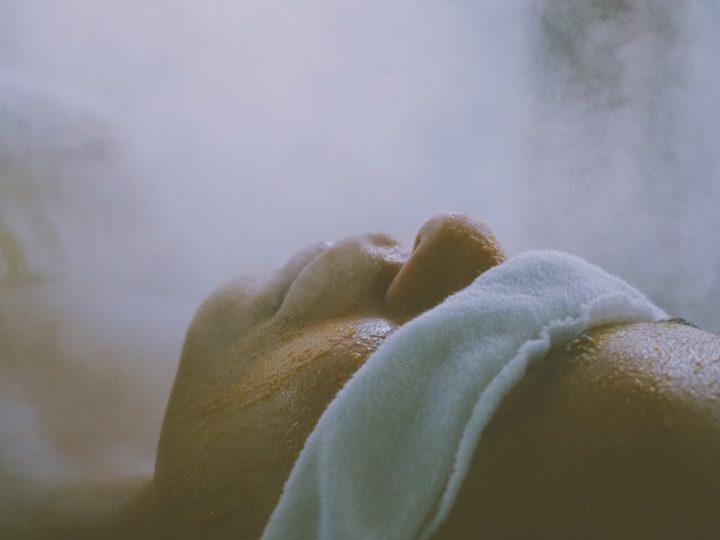
The Advanced HydraSkin Pro includes a facial muscle stimulation feature that gently lifts and tones the skin — promoting a firmer, more youthful appearance.
5)Radio-frequency Technology
Radiofrequency energy gently heats the deeper layers of the skin to boost collagen and elastin production — helping to tighten skin and reduce the appearance of fine lines and wrinkles.
Electrolysis Hair Removal for Hirsutism, as measured by the Ferriman-Gallwey Score
Hirsutism is a manageable condition but can be stressful due to its physical appearance. Early diagnosis, hormonal control, and appropriate treatment can help manage symptoms.
For women with hirsutism, as measured by the Ferriman-Gallwey score, electrolysis offers a highly effective and permanent hair removal option. While the treatment process requires multiple sessions and patience, especially for women with higher scores indicating extensive hair growth, it provides long-term relief from the cosmetic and emotional challenges.
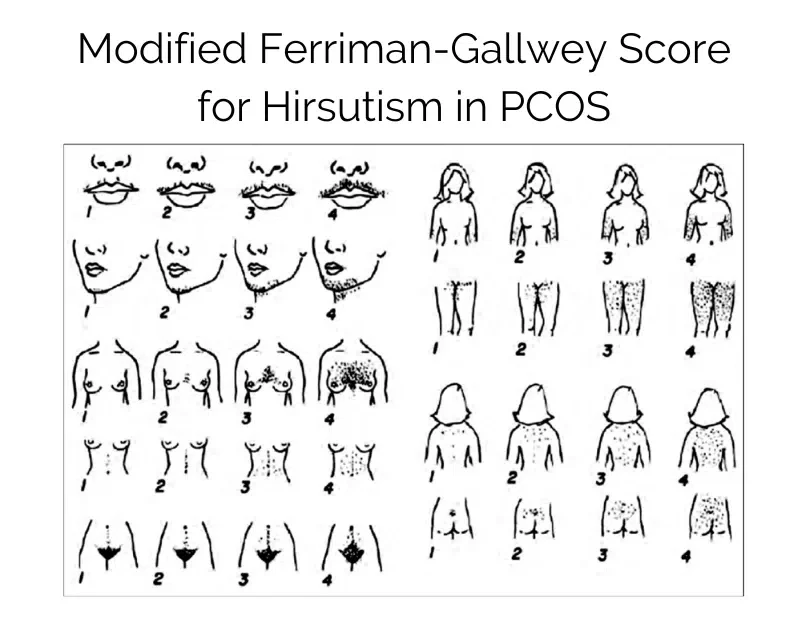
The Ferriman-Gallwey Score
Is a clinical tool used to assess the severity of hirsutism by measuring hair growth in specific areas of the body that are typically sensitive to androgens or male hormones. This scoring system is commonly used to help diagnose conditions like polycystic ovary syndrome (PCOS) and other hormonal disorders that can cause hirsutism like Cushing's syndrome or adrenal hyperplasia. Insulin resistance and some medications can also have an impact on hair growth.
The Ferriman-Gallwey scale rates hair growth on a scale from 0 to 4 in nine key body areas like Upper lip, Chin, Chest, Upper back, Lower back, Upper abdomen, Lower abdomen, Arms and Thighs. Each area is scored based on the degree of hair growth.
Electrolysis Hair Removal
Electrolysis is one of the most effective and permanent solutions for managing excessive hair growth in women with hirsutism. Since electrolysis destroys the hair follicle using an electric current, it prevents regrowth in the treated area. This is particularly beneficial for those with higher Ferriman-Gallwey scores who are looking for a long-term solution to unwanted hair.
For women with hirsutism, especially those with high Ferriman-Gallwey scores, this means significant and lasting reduction of unwanted hair. Electrolysis is Suitable for All Skin and Hair Types including fine or light-colored hair that is common in some women with hirsutism.
Electrolysis can be used to remove hair from all of the areas listed on the Ferriman-Gallwey scale, such as the upper lip, chin, chest, abdomen, and back. It’s especially useful for treating sensitive or smaller areas, like the face, where precision is key.
Since electrolysis directly destroys the hair follicle, it is not affected by ongoing hormonal fluctuations, making it ideal for women with conditions like PCOS, where hormones may still drive new hair growth in untreated areas.
Pili Multigemini: The Rare and Fascinating Hair Condition
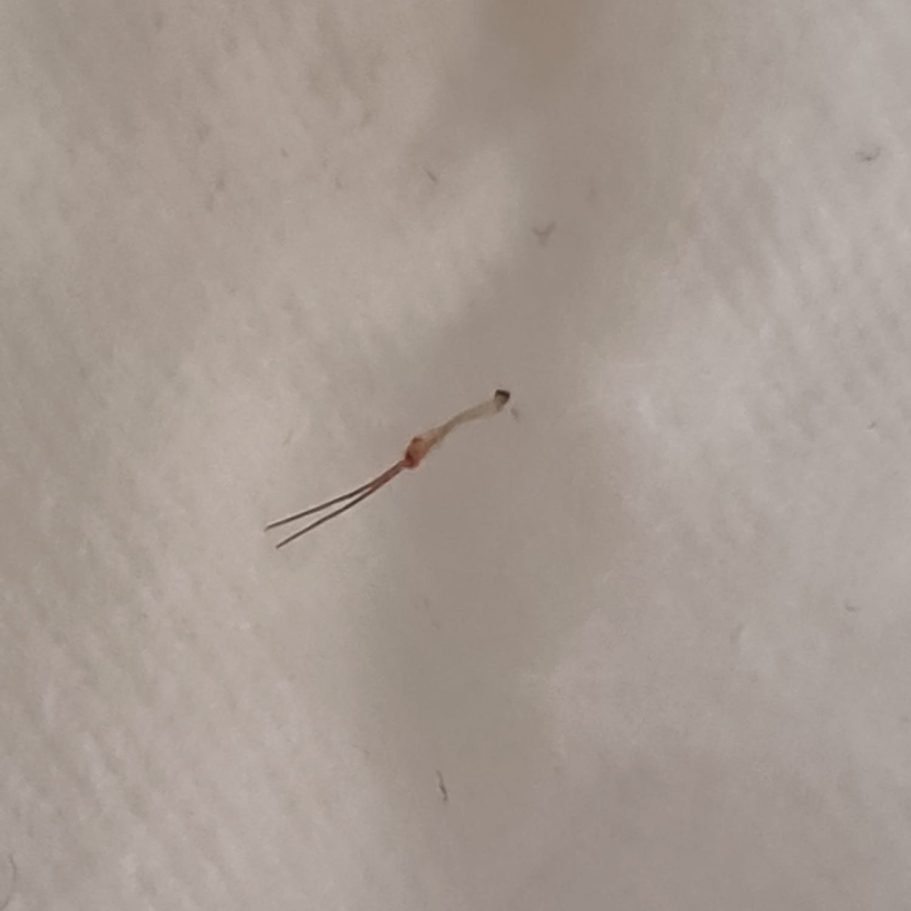
Pili Multigemini is a rare condition in which multiple hair shafts emerge from a single follicle, often leading to dense, thick, and occasionally tangled hair clusters. This unusual hair growth results in a striking and sometimes challenging appearance. The term "Pili Multigemini" comes from Latin, with "pili" meaning hair and "multigemini" referring to "multiple twins" or "many of the same kind." This condition can cause both cosmetic concerns and grooming difficulties.
For those affected by this condition, electrolysis offers an effective solution to manage the growth. Electrolysis is a permanent hair removal technique that uses an electric current to destroy the hair follicle, preventing further hair growth. When it comes to Pili Multigemini, electrolysis is particularly beneficial, as it targets each individual hair shaft growing from the same follicle. This treatment helps control the dense, clustered hair growth, providing a more manageable appearance.
Unlike temporary methods like shaving or waxing, electrolysis offers a permanent solution to unwanted hair, reducing the need for continuous treatments. Though the process is generally well-tolerated, slight irritation or discomfort may arise, particularly when dealing with multiple hair shafts per follicle.
Using Advanced Electrolysis Techniques to Remove Warts
Warts are a common skin condition caused by HPV that can affect people of all ages and are caused by an infection of HPV, a virus that has more than 100 strains, although only a few are responsible for causing warts. The virus enters the skin through tiny cuts, abrasions, or breaks, often from activities like shaving, biting nails, or even walking barefoot in damp communal areas like swimming pools and locker rooms.
HPV thrives in warm, moist environments. Warts can spread through direct contact with the skin of someone who has warts or by touching surfaces contaminated by the virus. While warts are contagious, not everyone who comes in contact with HPV develops them. A person’s immune system plays a significant role, as some people may be more resistant to the virus than others.
Bellow are more common types of warts, each associated with different parts of the body and characteristics:
Common Warts: These are the most frequent type of wart, typically appearing on the hands, fingers, or around the nails. They are small, rough, and have a cauliflower-like appearance. Common warts often develop in areas prone to injury or where the skin has been damaged.
Plantar Warts: These warts grow on the soles of the feet and can be particularly painful due to pressure from walking. Unlike other warts, plantar warts tend to grow inward rather than outward and may have a flat surface with a small black dot in the center, which is a clotted blood vessel.
Flat Warts: These are smaller and smoother than common warts and often appear in clusters. They are typically found on the face, neck, hands, or legs. Flat warts are more common in children and adolescents and can spread through activities like shaving or scratching.
Filiform Warts: These warts are long, narrow, and usually grow on the face, particularly around the mouth, eyes, or nose. They tend to grow quickly and can be more noticeable because of their location and shape.
Genital Warts: These are sexually transmitted and affect the genital and anal areas. Caused by specific strains of HPV, genital warts can range in size and shape, sometimes appearing as small, raised bumps or as clusters resembling cauliflower. These tend to respond well to laser treatment.
Warts are generally painless, but depending on their type and location, they can cause discomfort. Plantar warts, for instance, can be painful when walking, and periungual warts may cause discomfort around the nails. Warts are usually flesh-colored or slightly darker, with a rough texture, though flat warts are smoother and more subtle.
Some warts require Doctor's diagnosis before treatment.
Treating with advanced electrolysis
When treating warts with electrolysis, a fine probe is inserted into the wart tissue, and an electric current is applied to destroy the cells and the blood supply that nourish the wart. This process helps to kill the tissue of the wart, causing it to dry up, shrink, and eventually fall off.
The heat generated by the electric current is used to destroy abnormal tissue. Electrolysis can be an effective option for some warts, especially small, and any resistant ones, that haven't responded to other treatments.
Some benefits of Electrolysis for Wart Removal are:
Precision: Electrolysis can target the wart tissue directly without affecting the surrounding skin. This makes it useful for treating warts in sensitive or visible areas like the face, hands, or other delicate parts of the body.
Minimal Invasiveness: Unlike surgical removal, electrolysis is less invasive and does not require any cutting or stitches. This means there's less risk of scarring compared to surgical excision.
A very good alternative for Resistant Warts: For warts that do not respond to over-the-counter treatments like salicylic acid or freezing (cryotherapy), electrolysis can be a great option.
Some people experience mild discomfort during electrolysis treatment, as the electric current creates heat. Topical anesthetics may be used to reduce pain during the procedure.
After electrolysis treatment, the wart may scab over and take a few weeks to fully heal. The skin should be kept clean and cared for during this time to avoid infection. It is possible to need more than one session.
Electrolysis can be an effective method for wart removal, especially for small or stubborn warts that haven't responded to other treatments.
If you have a wart you would like treated please arrange for consultation by contacting us.
Using Electrolysis for Mole Reduction
There are many types of Moles, they are usually normal growths of different size, colour and shape. They develop when pigment producing cells grow in groups, however, they can also be skin color. Most people have a number of moles that appear during childhood and teenage years that change and even fade over time. It is important to observe any changes in their appearance and have them regularly checked by a trained professional. It is also crucial to sun expose sensibly and use sun protection when the exposure is prolonged. This also applies to people with darker skin tones.
Using electrolysis, normal moles can be reduced for cosmetic reasons with minimal trauma and no excision, therefore possibility of any scarring is greatly reduced.This is particularly useful when treating moles on the face or other exposed areas. Treatment close to eyes is also possible.
Diagnosis from a Doctor is required prior to treatment.
If a mole has hair growing from it, the hair is usually treated first. Depending on the size of the mole, more then one session could be necessary.
Contact us
Call or message to find out more information or book an appointment.
Telephone: 07986361999